Learn Journalism of Impact
Daughter of Gadia Lohar Community, Who Took Vow Against Mughals 500 Years Ago, Brainwashed and Converted to Islam; Rashtra Jyoti Team Brings Her Home


Written by
- Published
- Updated
- Reading time
- 3 min
The Gadia Lohars carry a remarkable legacy of resistance against Mughal conquest. They are a predominantly Hindu jaati of traditional blacksmiths, historically associated with Rajasthan’s Mewar region.
According to their community tradition, when Chittorgarh fell to the Mughals in 1568, they followed Maharana Pratap into the forests.
Having served as blacksmiths and weapons-makers for his forces, they took a solemn vow: they would not return to their ancestral homes until Chittorgarh was reclaimed.
They also renounced settled living. They vowed not to live in permanent houses, sleep on cots or light lamps at night.
Their bullock carts became their homes, earning them the name ‘Gadia’ Lohars.


Generations of the community continued their nomadic existence, carrying forward this extraordinary legacy of sacrifice and resistance.
Around two weeks ago, this community’s historical anxieties resurfaced in a settlement of 50 households in Delhi’s Azadpur.
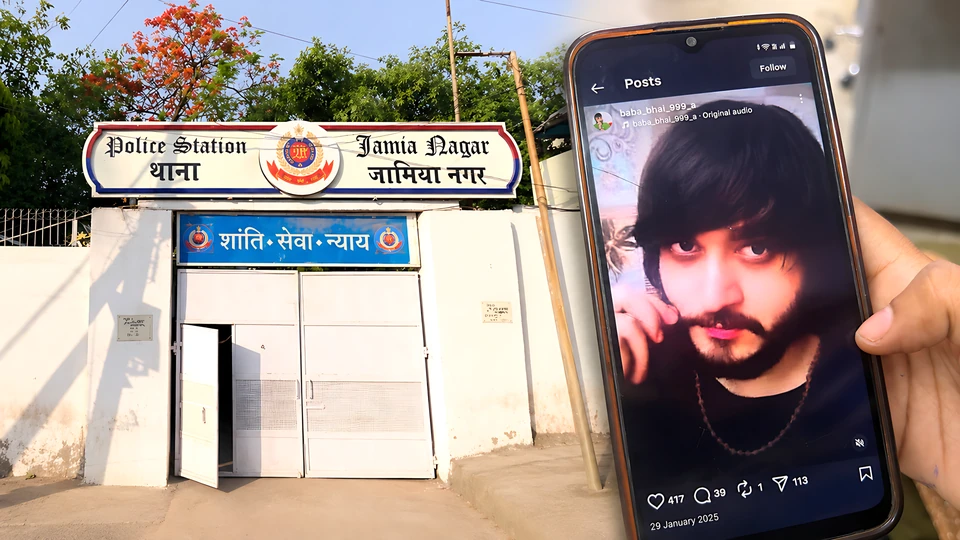
A man named Mohammad Gulzar lured a young woman from the community into a relationship, took her away without the knowledge of her family and community, and arranged her conversion-nikah.
She was renamed Ayesha, from Anjali, in her conversion papers. Rashtra Jyoti has accessed the documents.
The incident triggered considerable anger and distress in the settlement.
For a community whose collective identity and historical memory are deeply connected with resistance to Mughal conquest, the prospect of one of its daughters converting to Islam and entering a nikah was particularly distressing.
Woman brought back home
As the situation escalated, Sewa Nyaya Utthan Foundation, the welfare arm of Rashtra Jyoti team, and Sudarshan Vahini got involved. Following sustained pressure on the police, the woman was traced and reunited with her family after remaining missing for 10 days.
Swati Goel Sharma personally visited the Gadia Lohar settlement and counselled her. The community expressed immense gratitude for the intervention.
A history that cannot be erased
For the Gadia Lohars, this is not merely a family matter. Their collective memory is shaped by their resistance to Islamists, loyalty towards Maharana Pratap and the sacrifices their ancestors made in defence of their identity. The case, thus, reenforces that Love Jihad’ is not a phenomenon that can be understood in isolation from the historical experiences and anxieties of Hindu communities that have witnessed invasions, religious fanaticism and coercive conversions.
It is, and is seen as, a legacy of the invaders.


Sources1 reference
Explore the references used in this article. Open a source to inspect the reference.
Written by